



The Essentials at a Glance
- Cold and dry heated air measurably reduce the skin's lipid production and weaken its natural protective barrier. You feel this as tightness and redness.
- Men's skin is around 16 percent thicker than women's skin and reacts differently to temperature swings. It needs light, fast-absorbing textures instead of heavy creams.
- An effective autumn routine has three steps: gentle cleansing, moisture on slightly damp skin, and a regenerating treatment in the evening.
- Indoor humidity between 40 and 60 percent and lukewarm shower water (max. 35 degrees) prevent additional moisture loss.

Why men's skin needs different rules in autumn
The shift to the cold season triggers measurable biochemical stress responses in the epidermis. From around age 35, cell renewal slows down. At the same time, cold reduces lipid biosynthesis, which weakens the skin's natural protective function.
You don't see this right away. But you feel it.
When cold and wind attack the skin barrier
Low temperatures reduce the activity of epidermal lipids. Water loss therefore rises sharply in cold and windy weather, making skin more prone to redness, micro-cracks, and irritation. Thermal stress can weaken the skin's protective lipid layers, leaving the skin barrier less stable and less protective.

Heated air: the invisible factor
Once humidity drops below 30 percent, skin loses moisture noticeably faster. That's exactly what happens in winter in many heated rooms.
On top of that comes the constant switch between cold outdoor air and dry heated air. For skin, this means extra stress: it dries out faster, feels rougher, and fine lines can become more visible.
What makes men's skin different
The anatomical structure of men's skin calls for a different approach than women's skin. Men's skin is on average 16 percent thicker, has a lower pH, and a higher collagen density.
Men also produce 2 to 3 mg of sebum per 10 cm² daily. These factors fundamentally change how skin behaves with climate swings.

How to tell your skin needs help
Increased water loss doesn't always show up immediately as flaking. Watch for subtle signs like redness, itching, or a tight feeling after washing. These signals mean the skin barrier is already under strain and needs external moisture now.
Oily skin in cool weather: a contradiction that isn't one
Because of larger sebaceous glands, men have more surface lipids at any age. In autumn, skin can react paradoxically: it produces excess sebum to compensate for moisture loss caused by dry air. The result is oily skin with a tight feeling at the same time. A well-balanced care routine helps here.
Understanding your skin type
Effective skincare is based on analysing your individual skin condition. Skin type determines the texture and active-ingredient concentration of products.
| Skin type | Trait in autumn | Primary care goal |
|---|---|---|
| Dry skin | Strongly reduced oil and moisture film | Stop water loss, add lipids |
| Oily skin | Compensatory sebum overproduction | Hydration without occlusion |
| Combination skin | Local barrier issues (cheeks) | Balance moisture differences |
| Sensitive skin | Higher susceptibility to small cracks or injuries | Soothe and strengthen the barrier |
The cold months intensify existing skin issues. Ignoring your skin type and reaching blindly for heavy creams risks clogged pores or worsening skin texture.
The autumn routine that works
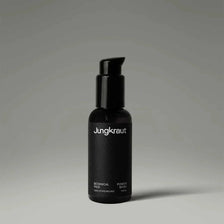
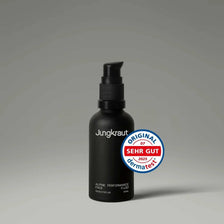
A results-driven autumn routine calls for precision rather than countless steps. Jungkraut's products fit easily into everyday life. Thanks to the Swiss NatureTECH® formula, they absorb in seconds without leaving a greasy film.
Cleansing that doesn't harm
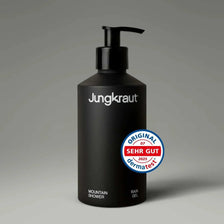
Thorough cleansing is essential, but it shouldn't further strip the already weakened acid mantle in autumn. Mild, pH-neutral surfactants remove dirt and sebum without washing out essential lipids. No scrubbing. Gentle but thorough.
Moisture that actually gets through
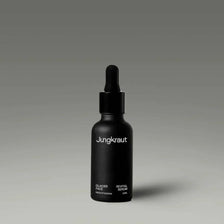
From age 35, men's skin moisture drops noticeably. Light textures that penetrate the stratum corneum are now key. Apply a serum right after evening cleansing, onto still slightly damp skin. This locks in the active ingredients and maximises water binding in the skin.
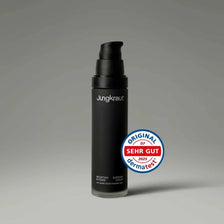
On top of that, autumn calls for a night treatment richer than your day cream. The Mountain Supreme Intense Cream with moss cell technology helps skin adapt to cold and dry air.

What can go wrong, and how to prevent it
Even with good care, external factors and bad habits can sabotage the skin barrier in autumn.
Getting dry skin and tightness under control
The fight against dry skin isn't won in the bathroom alone. Keep indoor relative humidity between 40 and 60 percent. Humidifiers or regularly airing rooms stop indoor air from continuously drawing water out of the skin.
Avoiding shaving issues on sensitive autumn skin
In autumn, skin is often already irritated by cold, wind, and dry air. Shaving adds extra strain, since the blade can cause small injuries.
So use sharp blades and a soothing product without harsh alcohol. This reduces unnecessary irritation and small skin injuries.
Lips and hands: the forgotten spots
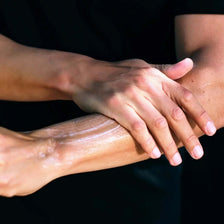
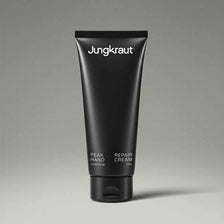
Lips have no sebaceous glands. Hands are usually left unprotected against the cold. Both areas dry out extremely fast in autumn. A nourishing hand cream with oat ceramide and Ectoin protects against cracks and painful inflammation.
Simple habits for resilient skin
- Lower the water temperature: Hot showers strip the skin's own lipids. Use lukewarm water, max. 35 degrees Celsius.
- Hydrate from within: Drink enough water to maintain osmotic pressure in the tissue.
- Adjust your diet: Omega-3 fatty acids from nuts or fish support the build-up of lipid bilayers in the cell membrane.
Last updated: September 2026


